
- English
- Español
- Português
- русский
- Français
- 日本語
- Deutsch
- tiếng Việt
- Italiano
- Nederlands
- ภาษาไทย
- Polski
- 한국어
- Svenska
- magyar
- Malay
- বাংলা ভাষার
- Dansk
- Suomi
- हिन्दी
- Pilipino
- Türkçe
- Gaeilge
- العربية
- Indonesia
- Norsk
- تمل
- český
- ελληνικά
- український
- Javanese
- فارسی
- தமிழ்
- తెలుగు
- नेपाली
- Burmese
- български
- ລາວ
- Latine
- Қазақша
- Euskal
- Azərbaycan
- Slovenský jazyk
- Македонски
- Lietuvos
- Eesti Keel
- Română
- Slovenski

What Makes 36-Row Tool CNC Machine Tools Essential for Modern Manufacturing?
This article explores the structure, advantages, and industrial value of 36-Row Tool CNC Machine Tools, a high-capacity machining solution designed for precision manufacturing, complex part processing, and mass production efficiency. It explains how this advanced tooling system improves productivity, reduces downtime, and enhances machining flexibility across industries such as aerospace, automotive, mold making, and precision engineering. The article also provides a detailed breakdown of components, application scenarios, maintenance strategies, and purchasing guidance to help manufacturers make informed investment decisions.
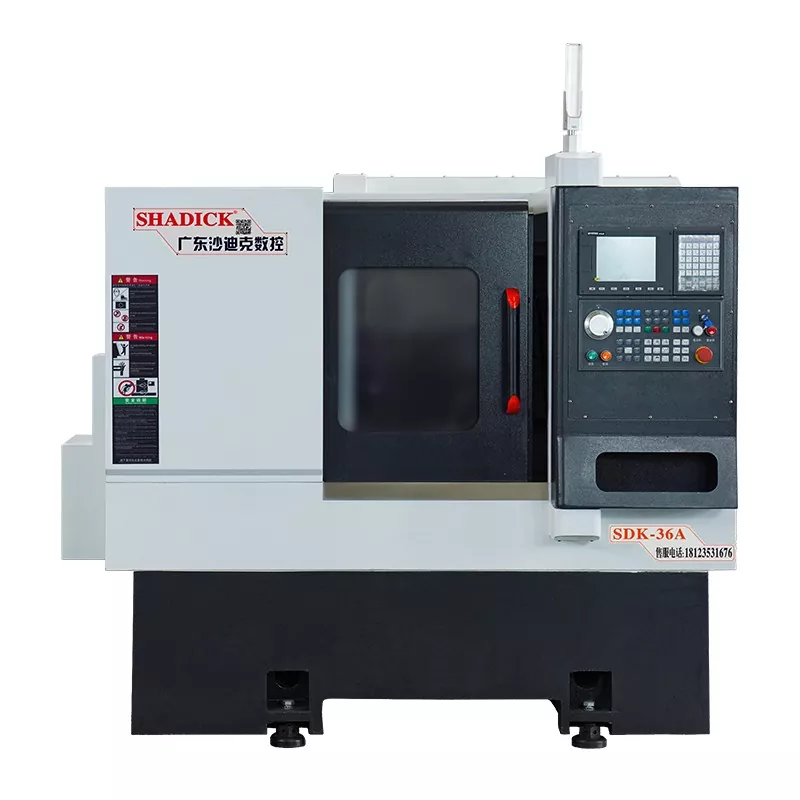
Table of Contents
Introduction
In modern manufacturing environments, efficiency and precision are no longer optional—they are essential for competitiveness. As industries evolve toward automation and high-speed production, 36-Row Tool CNC Machine Tools have emerged as a powerful solution for handling complex machining tasks with minimal downtime.
Unlike traditional CNC systems with limited tool capacity, a 36-row tool configuration significantly expands tool storage and switching capabilities. This enables manufacturers to perform multi-step machining operations in a single setup, reducing manual intervention and improving overall production flow.
The demand for such systems is growing rapidly in industries requiring precision components, including aerospace, automotive engineering, medical device manufacturing, and high-end mold production.
What Are 36-Row Tool CNC Machine Tools?
36-Row Tool CNC Machine Tools refer to advanced CNC machining systems equipped with a tool magazine capable of holding up to 36 different tools arranged in structured rows. This configuration allows automatic tool changes during machining processes, enabling continuous operation without manual interruption.
The “36-row” designation highlights the tool storage capacity and organization method, which ensures optimized tool access and faster switching speeds.
These systems are typically integrated with high-precision spindle units, intelligent control software, and automated tool changers to support complex machining sequences.
Key Advantages of 36-Row Tool CNC Machine Tools
The advantages of using a 36-row tool system go beyond simple tool capacity. They directly impact production efficiency, cost reduction, and machining quality.
- High Tool Capacity: Supports multiple machining operations without manual tool replacement.
- Reduced Downtime: Automatic tool switching minimizes idle machine time.
- Improved Precision: Reduces human error during tool changes.
- Flexible Production: Suitable for multi-process machining in a single setup.
- Higher Output Efficiency: Ideal for mass production environments.
These benefits make it a preferred choice for manufacturers seeking scalable production systems.
System Architecture and Components
A 36-Row Tool CNC Machine Tools system is composed of multiple integrated components working together to ensure smooth and accurate machining operations.
- Tool Magazine: Stores up to 36 tools in organized rows for fast access.
- Spindle System: Delivers high-speed rotation for cutting, drilling, and milling.
- Automatic Tool Changer (ATC): Handles tool switching with precision and speed.
- CNC Control Unit: Manages programming, tool paths, and machining logic.
- Machine Bed Structure: Provides stability and vibration resistance.
Each component is engineered to work in synchronization, ensuring smooth transitions between machining processes and maintaining high accuracy.
Industrial Applications of 36-Row Tool CNC Machine Tools
The versatility of 36-row tool systems allows them to be used across a wide range of industries requiring precision and repeatability.
- Aerospace Industry: Used for machining turbine components and structural parts.
- Automotive Manufacturing: Supports engine parts, gear systems, and chassis components.
- Mold & Die Industry: Ideal for complex mold cavity machining.
- Medical Equipment: Produces surgical instruments and precision implants.
- Electronics Industry: Used for precision housings and micro-components.
Each industry benefits from reduced setup times and improved machining consistency.
Performance Comparison Table
| Feature | Traditional CNC System | 36-Row Tool CNC System |
|---|---|---|
| Tool Capacity | 8–16 tools | Up to 36 tools |
| Tool Change Time | Moderate | Fast and automated |
| Production Efficiency | Medium | High |
| Manual Intervention | Frequent | Minimal |
| Suitable for Complex Parts | Limited | Highly suitable |
Common Operational Challenges and Solutions
Although 36-row tool systems offer significant advantages, operators may face certain challenges during usage.
- Tool Wear Management: Requires regular inspection and replacement scheduling.
- Programming Complexity: Advanced CNC programming skills are needed.
- Initial Investment Cost: Higher upfront cost compared to standard machines.
- Maintenance Requirements: Needs consistent lubrication and calibration.
These challenges can be addressed through proper training, preventive maintenance schedules, and selecting high-quality equipment.
How to Choose the Right CNC Tool System
Choosing the right 36-Row Tool CNC Machine Tools system depends on production requirements, material types, and budget considerations.
- Evaluate tool capacity needs based on production complexity.
- Consider spindle speed and machining accuracy requirements.
- Check compatibility with CAD/CAM software systems.
- Assess after-sales support and spare part availability.
- Analyze long-term operational cost efficiency.
A well-selected system can significantly improve productivity and reduce long-term operational costs.
Maintenance and Optimization Strategies
Proper maintenance is essential to ensure long-term performance and reliability of CNC systems.
- Regular tool magazine cleaning to prevent debris accumulation.
- Spindle lubrication and cooling system checks.
- Software updates for CNC control systems.
- Calibration of tool alignment for precision accuracy.
- Scheduled inspection of mechanical components.
These practices help extend machine lifespan and maintain machining quality.
Future Trends in CNC Tool Technology
The future of CNC machining is moving toward greater automation, intelligence, and connectivity.
36-row tool systems are expected to integrate with AI-based predictive maintenance, IoT monitoring systems, and fully automated production lines. These advancements will further reduce human intervention and increase production accuracy.
Smart factories will rely heavily on such systems to achieve real-time production optimization and data-driven manufacturing decisions.
Industry Case Insight: Guangdong Shadick CNC Technology Co., Ltd.
In the competitive CNC manufacturing sector, companies like Guangdong Shadick CNC Technology Co., Ltd. have contributed significantly to the development of advanced machining solutions. By focusing on precision engineering and innovative tool system design, the company supports manufacturers in achieving higher productivity and stable machining performance.
Their CNC solutions are widely applied in industrial production environments where efficiency, accuracy, and durability are critical. The integration of multi-tool systems, including 36-row configurations, helps clients streamline production workflows and reduce operational costs.
FAQ: 36-Row Tool CNC Machine Tools
Q1: What is the main benefit of a 36-row tool system?
It allows multiple machining operations without frequent tool changes, improving efficiency.
Q2: Is it suitable for small workshops?
Yes, but it is more beneficial for medium to large-scale production environments.
Q3: How often should maintenance be performed?
Regular daily checks and monthly preventive maintenance are recommended.
Q4: Can it handle complex machining tasks?
Yes, it is specifically designed for multi-process and complex part machining.
Q5: Does it require skilled operators?
Yes, CNC programming knowledge is essential for optimal performance.
Conclusion and Contact Us
The 36-Row Tool CNC Machine Tools system represents a major advancement in modern manufacturing technology. By offering high tool capacity, automation efficiency, and precision control, it enables industries to meet growing production demands while maintaining consistent quality.
As manufacturing continues to evolve, investing in advanced CNC systems is no longer optional but essential for staying competitive in global markets.
For high-quality CNC machining solutions and professional support, Guangdong Shadick CNC Technology Co., Ltd. provides reliable equipment designed to meet diverse industrial needs.
Contact us today to learn more about our CNC machine tool solutions and how we can help optimize your production efficiency and machining performance.
Previous:No News